
When you drive a company vehicle as part of your job duties, accidents can become far more complicated than a typical fender-bender. Questions about liability, insurance coverage, and employer responsibilities can quickly arise, and knowing what to do in the moment can protect both your rights and your safety. In Texas, where busy roadways and commercial traffic are part of everyday life, understanding these procedures is essential.
Understanding Legal and Safety Obligations
Employer Responsibilities Under Texas Law
Texas employers who provide company vehicles must carry appropriate insurance coverage that meets the state's minimum requirements; however, commercial policies often extend far beyond that. Employers are responsible for ensuring that each vehicle in their fleet is properly insured and maintained. Routine safety checks, record-keeping, and reviewing insurance terms are all essential to protecting a business and its employees.
Additionally, Texas law recognizes employer responsibility when inadequate training contributes to an accident. Companies should provide ongoing instruction on safe driving practices, defensive techniques, and emergency procedures. Strong training programs not only help prevent collisions but also serve as evidence that the employer took reasonable steps to protect workers on the road.
Driver Responsibilities and Rights
Employees operating company vehicles must follow established reporting procedures and exercise caution immediately after an accident. This includes notifying law enforcement, seeking medical attention if injured, and promptly informing the employer. Drivers also have the right to medical care and may be eligible for workers’ compensation or other benefits, depending on the circumstances.
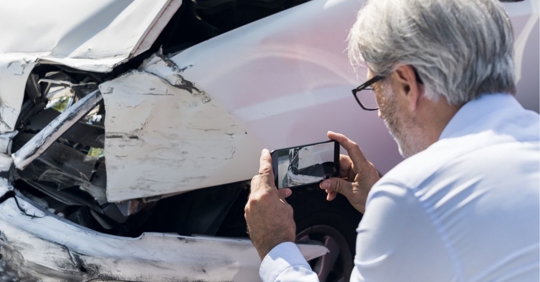
Documenting what happened is one of the most important steps a driver can take. Photos, witness statements, and written notes help preserve the truth of the incident and protect your interests should questions arise later about fault or liability.
Immediate Actions After a Company Vehicle Accident
Prioritizing Safety at the Scene
Safety should always be your first concern. Move to a secure location if possible, turn on hazard lights, and check for injuries. Texas law requires drivers to remain at the scene of an accident, especially when injuries or property damage occur. Calling 911 ensures that emergency responders and law enforcement arrive quickly to assist and document the incident.
Staying at the scene also allows you to preserve crucial evidence, from vehicle positions to road conditions, that may support your claim later.
Gathering Critical Information
After an accident involving a company vehicle, ensure that you exchange information with all parties involved and obtain the police report number. Photographing damage, traffic patterns, weather conditions, and surrounding areas can help paint a clear picture of what occurred.
You should also report the accident internally as soon as possible. Many Texas employers have strict timelines and procedures for reporting incidents involving company property. Delayed reporting can complicate or even jeopardize insurance coverage.
Company Protocols and Reporting
Communicating with Your Employer
Most companies require employees to alert a supervisor or fleet manager immediately after an accident. Providing accurate, detailed information helps the employer initiate internal reviews and insurance processes. Timely reporting also protects you by creating a documented record of the event.
Internal Investigations and Insurance
Once notified, employers often conduct an internal investigation to determine what happened. They may review dash-cam footage, interview witnesses, or inspect the vehicle. These findings can influence insurance claims, liability decisions, and employment matters. Understanding your rights during this process is vital, especially if questions about fault arise.
Insurance and Financial Considerations
Navigating insurance after an accident in a company vehicle can be a confusing process. Multiple policies may be involved, including commercial auto insurance, personal coverage, and workers’ compensation. Determining which policy applies depends on factors such as job duties, fault, and company protocols. Ensuring accurate documentation and timely communication with insurers helps avoid unnecessary delays or denials.
Preventive Measures and Training
Texas employers are encouraged to invest in ongoing safety training and routine vehicle maintenance. These proactive measures not only reduce accident risks but also support legal defenses in the event of claims arising. For employees, participating in training and reporting maintenance concerns helps maintain a safer working environment.
When You Need Legal Guidance
If you’ve been involved in an accident while driving a company vehicle, you don’t have to navigate the aftermath on your own. The Law Offices Of Vic Feazell, P.C. in Austin is here to protect your rights and help you understand your options. Reach out to speak with a dedicated Texas personal injury attorney who can guide you every step of the way.