
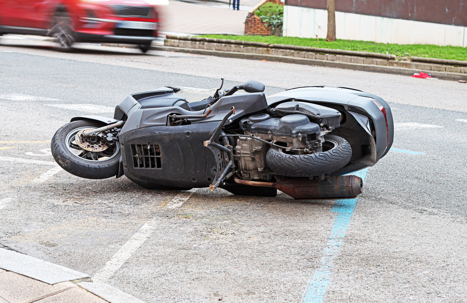
Motorcycle riders face unique risks every time they take the road. Without the protection of a vehicle frame, airbags, or seatbelts, even a relatively minor collision can result in serious injuries. While many people assume motorcyclists are often at fault, the reality is that most motorcycle crashes are caused by other drivers' negligence.
Understanding the common causes of motorcycle accidents and who may be responsible can help injured riders protect their rights after a collision.
Left-Turn Accidents and Failure to Yield
One of the most common causes of motorcycle crashes is a driver turning left in front of an oncoming motorcycle. Drivers may misjudge a rider’s speed, fail to see the motorcycle altogether, or simply ignore the rider’s right of way.
These crashes frequently happen at intersections and often result in severe injuries because the motorcycle takes the full force of the impact. When a driver fails to yield properly, they may be held responsible for the resulting damages.
Unsafe Lane Changes and Blind Spot Collisions
Motorcycles are smaller than passenger vehicles, making them more difficult for inattentive drivers to notice. Unfortunately, this often leads to dangerous lane change accidents.
A driver who fails to check mirrors, monitor blind spots, or use turn signals before changing lanes can easily collide with a motorcycle traveling beside them. Evidence such as vehicle damage, witness statements, and traffic camera footage can help establish fault in these cases.
Distracted and Impaired Driving
Distracted driving continues to be a leading cause of crashes across Texas. Drivers who text, use mobile devices, adjust navigation systems, or engage in other distractions may fail to notice nearby motorcycles until it is too late.
Impaired driving presents similar dangers. Alcohol and drugs can affect reaction times, judgment, and awareness, increasing the likelihood of a serious collision. When a distracted or impaired driver causes a motorcycle crash, they can be held financially responsible for the injuries and losses they create.
Road Hazards and Dangerous Conditions
Not every motorcycle crash is caused by another driver. Poorly maintained roads, construction zones, loose gravel, potholes, and missing warning signs can create hazardous conditions for riders.
In some situations, a government agency, construction company, or contractor may share responsibility if unsafe road conditions contributed to the collision. These claims can be complex and often involve special notice requirements, making early investigation important.
Defective Motorcycle Parts
Mechanical failures can also lead to devastating accidents. Brake defects, tire failures, steering problems, and other manufacturing issues may cause a rider to lose control even when operating the motorcycle safely.
When a defective part contributes to a crash, the manufacturer, distributor, or another company involved in the product’s design or sale may be liable. Preserving the motorcycle and obtaining a thorough inspection are often critical steps in these cases.
How Fault Impacts Compensation
Texas follows a fault-based insurance system. This means the party responsible for causing a crash is generally responsible for the resulting damages. However, insurance companies often try to shift blame onto motorcyclists to reduce what they pay.
Strong evidence can help demonstrate what actually happened and protect an injured rider from unfair accusations. Police reports, witness testimony, crash scene photographs, vehicle data, and accident reconstruction can all play an important role when determining liability.
Protecting Your Rights After a Motorcycle Crash
Determining who caused a motorcycle accident is not always straightforward. Multiple parties may share responsibility, and insurance companies often work quickly to limit their exposure.
If you or a loved one has been injured in a motorcycle crash, understanding your legal options can make a meaningful difference in your recovery. The Law Offices Of Vic Feazell, P.C. helps injured riders investigate accidents, identify liable parties, and pursue compensation for medical expenses, lost income, and other damages. Learning your options early can help you move forward with confidence after a serious collision.