
Austin Swimming Pool Accident Lawyer
Swimming pools are a source of fun and relaxation, especially during the hot Austin summers. However, they also pose significant risks when safety measures are ignored or accidents occur. If you or a loved one has been injured in a swimming pool accident, you need an experienced swimming pool accident lawyer to protect your rights and help you pursue the compensation you deserve. At the Law Offices Of Vic Feazell, P.C., we understand the complexities of these cases and are committed to fighting for our clients.
If you or a loved one has been injured in a swimming pool accident in Austin, TX, we’re here to help. Call (254) 938-6885 for a free consultation. Check out our proven track record.
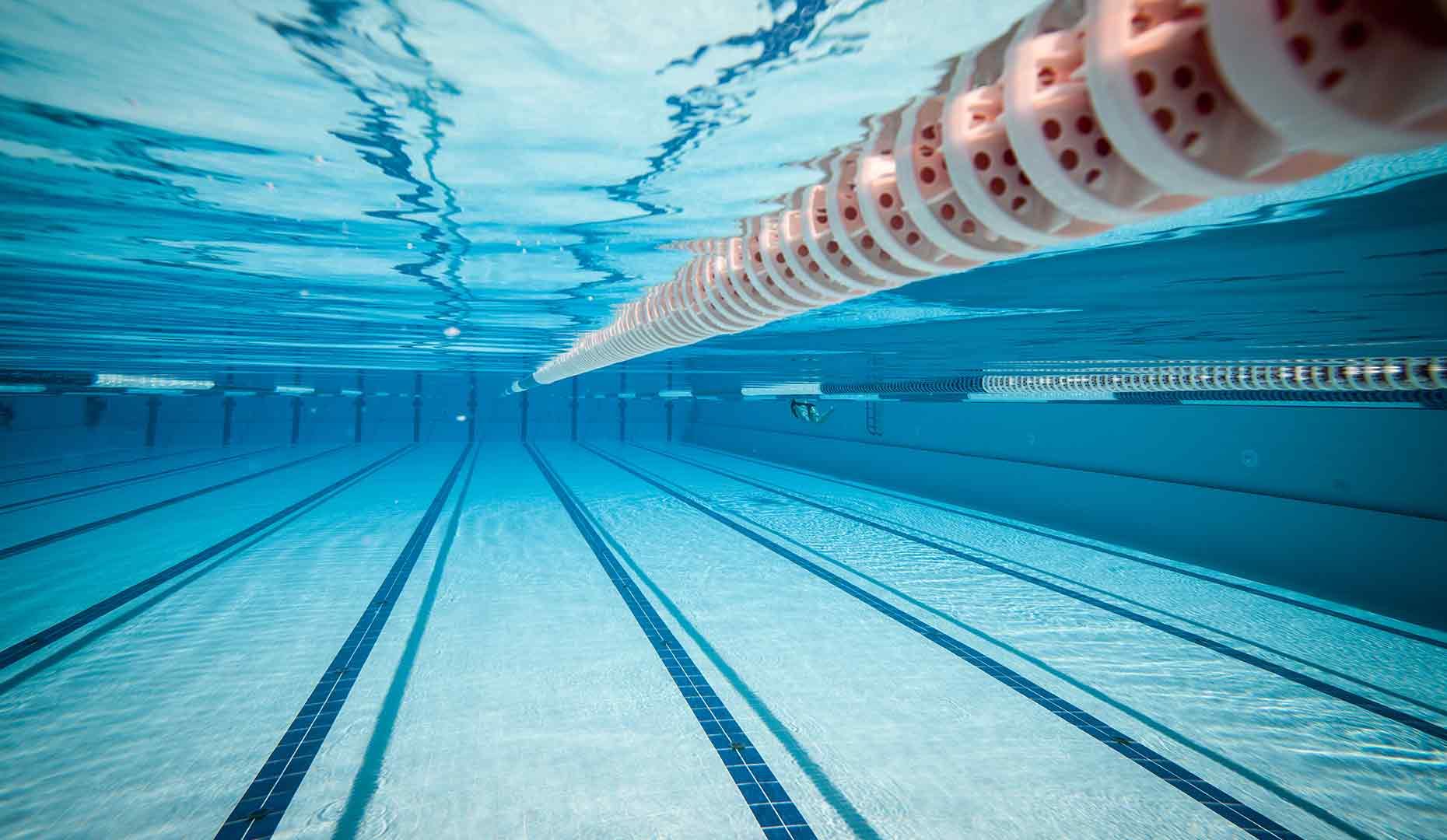
The Dangers of Swimming Pools
While swimming pools provide enjoyment, they also carry hidden dangers. Many people underestimate the risks associated with pool use, which can lead to serious injuries or even fatalities. Common hazards include:
- Slippery Surfaces: Pool decks, steps, and surrounding areas can become extremely slippery, increasing the risk of falls.
- Drowning Risks: Even shallow water can pose a drowning threat, particularly for children or individuals who cannot swim.
- Diving Accidents: Diving into shallow or improperly maintained water can result in severe head, neck, or spinal injuries.
- Electrical Hazards: Pools with faulty wiring or improperly installed lighting can pose serious electrical dangers.
- Chemical Exposure: Improperly balanced pool chemicals can cause burns, respiratory issues, or other health problems.
Even when pool owners take precautions, accidents can still occur due to negligence or unsafe conditions.
Texas Pool Barrier Laws and Why They Matter to Your Case
Texas regulates pool safety primarily through Chapter 757 of the Texas Health and Safety Code, which sets enclosure requirements for pools at apartment complexes and properties governed by a homeowners association — the type of pool many Austin renters and condo residents use every day. This law applies specifically to pools in multiunit rental complexes and pools owned or controlled by a property owners association, rather than private single-family backyard pools.
Key requirements under this law include:
- A barrier at least 48 inches tall, measured from the outside ground surface
- No gaps in or under the barrier large enough for a four-inch sphere to pass through, and no design that would allow a child to climb it
- Every gate must be self-closing and self-latching, open outward away from the pool, and include lockable hardware, with the latch installed at a minimum height set by the code LegalClarity
Separately, public and commercial pools — including those at hotels, gyms, and larger apartment communities — fall under Texas Department of State Health Services oversight, which adopts the International Swimming Pool and Spa Code for construction and sets operational standards through the Texas Administrative Code. LegalClarity
When a pool owner or property manager fails to meet these standards, that failure can serve as direct evidence of negligence in a personal injury claim.
The Attractive Nuisance Doctrine and Child Drowning Cases
Swimming pools present a unique legal issue when children are involved: Texas law recognizes what's known as the Attractive Nuisance Doctrine. Under this doctrine, a pool owner can be held liable for injuries to a trespassing child if they knew, or should have known, that children were likely to trespass and failed to provide a reasonable barrier. Robertslawfirm
This means that even if a child was not authorized to be in or near the pool, a property owner may still bear legal responsibility for failing to secure the area. If a property owner violates applicable pool safety laws or local ordinances, that violation can be used as evidence of negligence in a personal injury or wrongful death lawsuit. Robertslawfirm
For grieving families, understanding this doctrine can be an important part of holding a negligent property owner accountable — even in tragic cases involving young children who wandered into an unsecured pool area.
Common Types of Swimming Pool Accidents
Swimming pool accidents can vary widely, and each type of injury may have unique legal considerations. Some of the most common accidents include:
- Slip and Fall Injuries: Wet surfaces around the pool can be dangerously slick. Falls may result in broken bones, concussions, or other serious injuries.
- Drowning and Near-Drowning Incidents: Drowning remains one of the most severe risks associated with swimming pools. Even if a victim survives, near-drowning incidents can lead to long-term brain damage due to oxygen deprivation.
- Diving Injuries: Diving into shallow water or pools without diving boards can cause traumatic brain injuries, spinal cord injuries, or paralysis.
- Electrical Injuries: Improperly grounded pool equipment or exposed wiring can result in electrocution.
- Chemical Burns and Respiratory Issues: Improperly maintained pools may have high levels of chlorine or other chemicals, which can cause burns, skin irritation, or respiratory problems.
- Defective Pool Equipment: Malfunctioning pool pumps, slides, or fences can also lead to accidents and injuries.
We are committed to our clients, and we are prepared to do everything we can to help you put this matter behind you as quickly as possible. To learn more about our personal injury and premises liability services, call our firm today.
Who is Liable for a Swimming Pool Accident?
Determining liability in a swimming pool accident can be complex. In many cases, the pool owner or operator may be held responsible if negligence contributed to the accident. Common scenarios include:
- Negligent Pool Maintenance: Failure to keep the pool area safe, clean, and free of hazards.
- Lack of Warning Signs: Not posting signs about shallow water, slippery surfaces, or other risks.
- Faulty Equipment: Using defective pumps, slides, or fencing that leads to injury.
- Inadequate Supervision: Failure to provide lifeguards or supervise public pools appropriately.
- Child Safety Negligence: Not installing proper barriers, gates, or alarms to prevent child access.
Texas law allows victims to pursue compensation for medical expenses, lost wages, pain and suffering, and other damages if negligence played a role in the incident. Our Austin swimming pool accident lawyer can investigate your case, gather evidence, and help establish liability.
Public, Private, and Apartment Pools: Liability Can Differ by Pool Type
Not every pool in Austin is regulated — or should be evaluated — the same way. Texas law generally separates pools into three categories:
- Private, single-family residential pools: Texas state law does not directly regulate backyard pools at single-family homes, though many Austin-area municipalities have adopted their own local barrier ordinances.
- Multi-unit and HOA pools (Class B): Covered directly by Chapter 757, this category includes the shared pools common to Austin's apartment complexes and planned communities — a significant consideration given how much of Austin's population lives in rental housing.
- Public and commercial pools (Class A/C): Hotel pools, gyms, private clubs, and municipal pools fall under stricter Texas Administrative Code standards, which distinguish between accredited/municipal pools, hotel and apartment pools, and medical or therapy pools, each with its own inspection and safety requirements.
Because the regulations — and the parties responsible for compliance — differ by pool type, identifying exactly what category of pool was involved in your accident is one of the first steps in building a strong claim.
Swimming Pool Accidents at Austin Apartments, Hotels, and HOA Communities
(Suggested placement: after the new "Public, Private, and Apartment Pools" section)
Austin's rapid growth has meant a boom in apartment complexes, condo developments, and hotel properties throughout the city — many of them built around shared pools as a key amenity. From high-density communities near downtown and the University of Texas campus to newer developments in North Austin and the Domain, these shared pools are used by residents and guests daily, often with minimal supervision.
That combination — high pool usage and limited oversight — makes compliance with Texas's barrier, fencing, and maintenance laws especially important in Austin's rental and hospitality market. When an apartment complex, HOA, or hotel fails to meet these standards, injured residents and guests may have grounds for a premises liability claim against the property owner or management company.
How We Investigate a Swimming Pool Accident Claim
Because pool safety in Texas is governed by specific, measurable standards, our investigation focuses on documenting exactly where a property owner fell short. This typically includes:
- Barrier and fencing measurements: Comparing the pool enclosure against state and local code requirements for height, gap size, and gate hardware
- Maintenance and inspection records: Reviewing whether required daily chemical logs and safety checks were actually performed, particularly at apartment complexes and public pools
- Injury and incident reports: Public pools are required to report certain incidents to health authorities, and these reports can reveal a pattern of prior problems
- Photographs and code compliance evidence: Documenting fencing, signage, lighting, and equipment conditions before repairs or alterations can be made
- Witness and supervision records: Establishing whether adequate lifeguard coverage or supervision was in place at the time of the accident
This same methodical approach to building a fact-based case reflects the investigative standard Vic Feazell brought to his years prosecuting cases in McLennan County — every claim is built on documented evidence, not assumptions.
Swimming Pool Accident Claim FAQs
Q: How long do I have to file a swimming pool accident claim in Austin, TX?
A: In Texas, the statute of limitations for personal injury claims is generally two years from the date of the accident. Filing within this timeframe is crucial to preserving your right to compensation.
Q: What types of compensation can I receive?
A: Victims may be entitled to compensation for medical bills, rehabilitation costs, lost income, pain and suffering, emotional distress, and, in some cases, punitive damages.
Q: Do I need an attorney for a swimming pool accident claim?
A: While you can file a claim on your own, an experienced Austin swimming pool accident lawyer can help navigate complex legal procedures, negotiate with insurance companies, and maximize your compensation.
Q: What if the pool accident was partially my fault?
A: Texas follows a comparative negligence rule, which means your compensation may be reduced by the percentage of your fault. Even if you were partially responsible, you may still recover damages.
Q: How do I prove negligence in a swimming pool accident case?
A: Evidence such as photographs, witness statements, maintenance records, and expert testimony can help demonstrate that the pool owner failed to provide a safe environment.
Call For A Free Review Of Your Swimming Pool Accident Case
At the Law Offices of Vic Feazell, P.C., our Austin premises liability attorneys understand how devastating these incidents can be for everyone involved. We’re committed to doing everything we possibly can to hold the responsible property owner financially accountable for his or her negligence. With decades of experience behind us and countless successful court cases to our name, we can be trusted to handle your swimming pool injury case in Texas.
To discuss your case with a member of our team, call us at (254) 938-6885. Consultations are free and confidential.
Recommended Reading: